
The Year-End Crunch: Three Challenges Leaders Need to Manage Now
I'll dispense with the usual holiday greetings because, frankly, we have work to do. Thanksgiving is approaching, the holiday season is upon us, and year-end deadlines are closing in. For many organizations, the pressure is mounting, and there isn't much time to make adjustments.
Three challenges can quickly disrupt business operations during this period:
Operational and Demand Strain
Coordination and Coverage Gaps
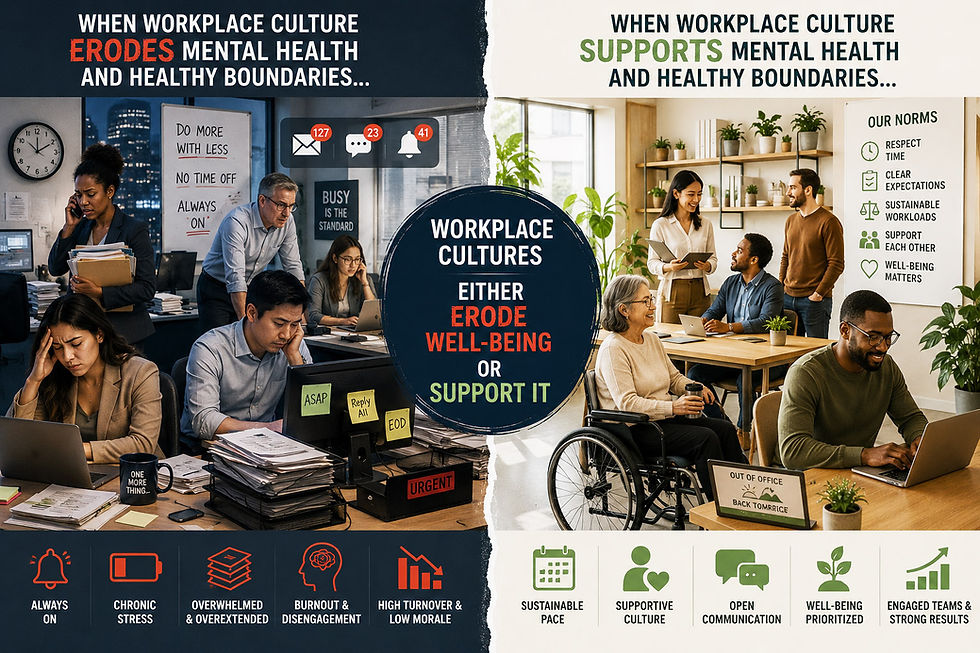
Employee Burnout and Stress
If your organization is feeling the pressure, here are practical steps leaders can take now to keep operations running and critical commitments on track.
1. Operational and Demand Strain
Business doesn't necessarily slow down for the holidays. Clients still expect service, projects need completion, and year-end deadlines remain. Meanwhile, fewer working days and reduced staffing can strain resources.
What leaders can do now:
Reassess priorities. Identify essential deliverables and deadlines. Determine what can be postponed, scaled back, or renegotiated.
Match resources to demand. Review available staffing and workloads, then redirect resources toward the most critical commitments.
Anticipate disruptions. Identify likely pressure points and decide in advance how to respond if demand exceeds capacity.
As Fast Company emphasizes, effective planning means preparing to make decisions when circumstances change, not simply predicting what might happen.
2. Coordination and Coverage Gaps
Holiday absences, shortened workweeks, and unavailable decision makers can slow approvals, disrupt communication, and jeopardize client service.
What leaders can do now:
Confirm coverage. Identify essential functions and assign backup personnel before holiday leave begins.
Delegate authority. Make sure designated employees can approve requests and resolve problems when key decision makers are unavailable.
Strengthen handoffs. Document outstanding tasks, deadlines, client commitments, and points of contact.
MIT Sloan Management Review identifies effective delegation, including decision-making authority, as essential to organizational effectiveness.
3. Employee Burnout and Stress
Year-end workload pressures collide with holiday preparations, financial concerns, and family responsibilities.
A Monster survey reported by Forbes found that 53% of workers experience increased holiday stress, while 22% report declining well-being. The consequences can extend beyond employees' personal lives to affect focus, judgment, and performance.
What leaders can do now:
Eliminate unnecessary demands. Reduce nonessential meetings, conflicting assignments, and avoidable last-minute requests.
Set realistic expectations. Adjust workloads and deadlines to reflect actual capacity.
Protect time off. Ensure coverage arrangements allow employees to disconnect rather than remain unofficially on call.
Wharton professor Michael Platt emphasizes that meaningful time away from work supports resilience and sustained performance.
Looking Ahead: Don't Repeat the Same Crunch Next Year
These pressures aren't new, and they'll return next year. Once the immediate demands subside, review what worked, where operations faltered, and what needs to change.
Make holiday coverage, workload forecasting, and contingency planning part of your regular management practices. The goal isn't just to survive this year's crunch. It's to build an organization better equipped to handle predictable pressures year after year.
And with any luck, next year you'll spend less time putting out fires and more time finding a decent gift for your office Secret Santa.
Sources
Fast Company (2026), "Why Companies Struggle Every Holiday Season"
MIT Sloan Management Review (2025), "Beat Burnout: 10 Essential MIT SMR Reads"
Wharton (2025), "Why Taking Time Off from Work Makes You More Resilient"
Forbes, "53% Of Workers With Holiday Stress: 4 Things Employers Can Do To Help" (citing Monster survey)


Comments